Milford Sound

japan

Milford Sound :
Fiordland and History of Milford Sound

About Fiordland and Milford Sound

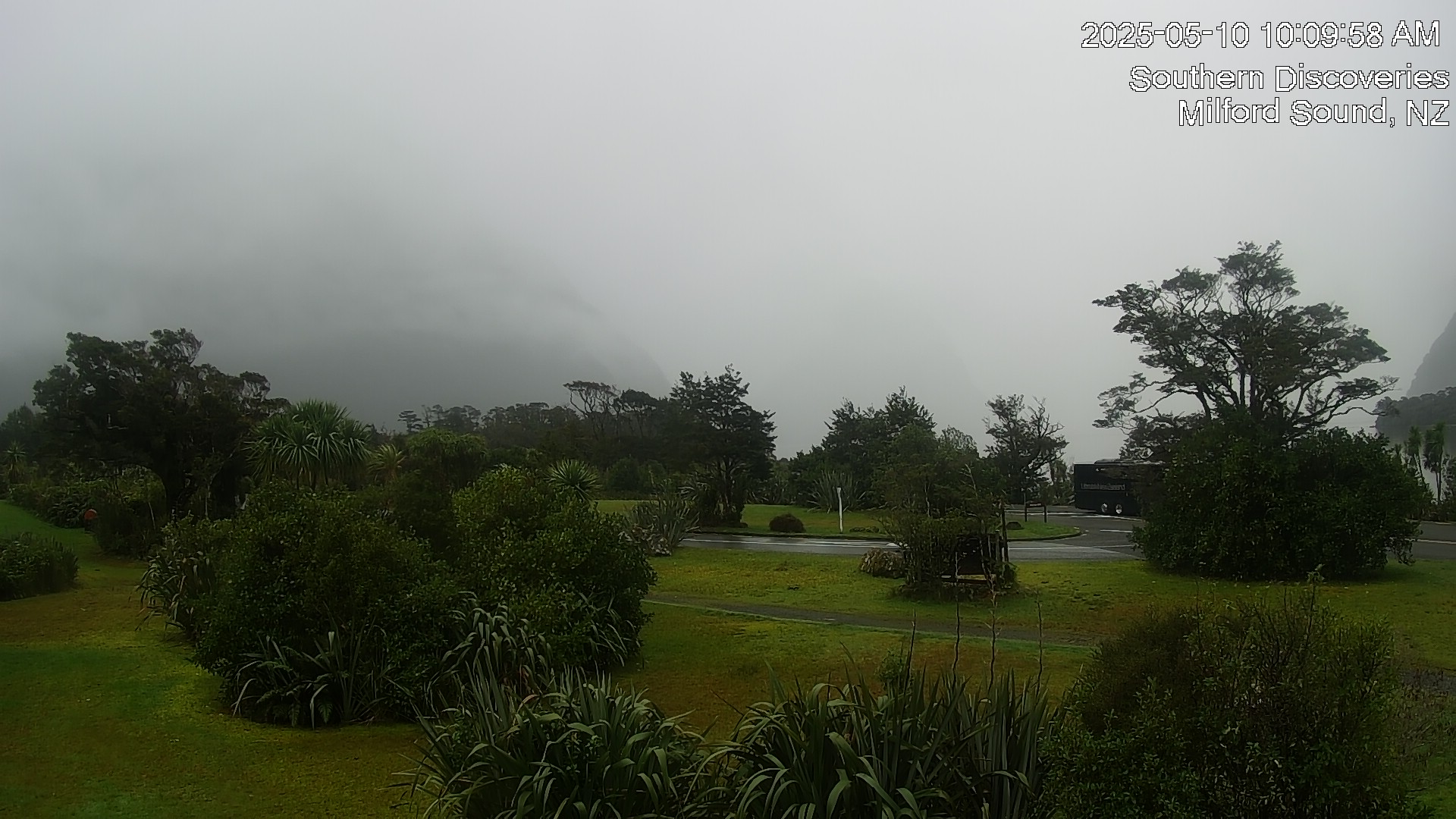
Milford Sound is a deep, icy blue waterway running 15km inland from the Tasman Sea and is part of the majestic Fiordland National Park.

Carved over time by glaciers, the deepest part of the fiord is 400m, surrounded by sheer rock faces rising 1,200m or more on either side. Milford Sound is the wettest inhabited place in New Zealand and one of the wettest in the world, with a mean annual rainfall of close to 7m, feeding the many waterfalls that thunder down cliff faces.

The extraordinary beauty of Fiordland was recognised by the United Nations in 1986 when it was made a World Heritage Area. Fiordland National Park was described as having 'superlative natural phenomena' and 'outstanding examples of the earth's evolutionary history.’

In 1990 the Te Wahipounamu World Heritage Area was extended to include Fiordland, Westland and Mt Cook national parks.

Piopiotahi, the Maori name given to Milford Sound, means thrush or place of the singing thrush.  Legend states that when Maui lost the treasure of immortality for mankind to the goddess of death, Hine Nui Te Po, a thrush flew into Milford Sound to sing and mourn the loss.

Maori legend also says it was the god Tu Te Raki  Whanoa who sculpted the mighty landscapes of Fiordland, using powerful incantations and his magic adze.


HISTORY

Milford Sound (also known by its Maori name Piopiotahi) is a fiord of spectacular beauty and natural grandeur, named after Milford Haven in Wales.

Milford Sound was initially overlooked by European explorers, because its narrow entry gave no clue to its large interior bays. Captain James Cook bypassed Milford Sound for just this reason, because he was afraid of getting too close to the steep mountainsides and not having enough wind to escape.

While Fiordland remained one of the least-explored areas of New Zealand up to the 20th century, Milford Sound's natural beauty soon attracted national and international renown. That led to the discovery of the Mackinnon Pass in 1888 which became part of the Milford Track.

The Homer Tunnel was developed about sixty years later to provide road access.

Getting closer for longer Book Online